
Event Security Services
Plan before the gates open, manage the crowd safely, and keep a clear record of what happened.

What event security services are
Event security services provide officers who protect people and property at concerts, festivals, corporate events, sports events, trade shows, and private events. Their work starts before the gates open and ends after the last guest leaves: securing the site, screening entry, watching the crowd, moving people safely, handling incidents, and coordinating with the police, medical staff, and the venue. Good event security depends on one plan, one person in charge, and constant radio contact.
Key facts
- Event security covers the time before, during, and after the event, not just the hours the doors are open.
- There is no universal guard-to-guest ratio; staffing depends on attendance, alcohol, the venue, and the event's history.
- Under the International Fire Code, as adopted in many jurisdictions, larger gatherings must have trained crowd managers, generally at least one for every 250 people.
- The security companies we recommend use Digital Guard Tour, so patrols and incidents at the event are recorded with time stamps.
Types of events and their security needs
| Event type | Main tasks | Main risks |
|---|---|---|
| Concerts and festivals | Entry screening, crowd watching, and stage and backstage areas | Crowd surges, alcohol, and lost children |
| Corporate events | Guest check-in, restricted areas, and VIP protection | Uninvited guests and theft of equipment |
| Sports events | Entry screening, seating areas, and parking | Rival fans, alcohol, and crowd movement at exits |
| Private events | Guest list checks, parking, and the venue perimeter | Gate-crashers and disputes |
| Trade shows and fairs | Booth and equipment security, entry, and after-hours patrols | Theft during setup and teardown |
What event security officers do
- Secure and check the site before guests arrive
- Screen entry: bag checks and ticket or guest list checks
- Watch the crowd and spot problems early
- Protect restricted areas, such as backstage, VIP areas, and cash points
- Manage parking areas and traffic flow
- De-escalate conflicts and handle incidents
- Support evacuations with the venue and emergency services
- Secure the site after the event as people leave
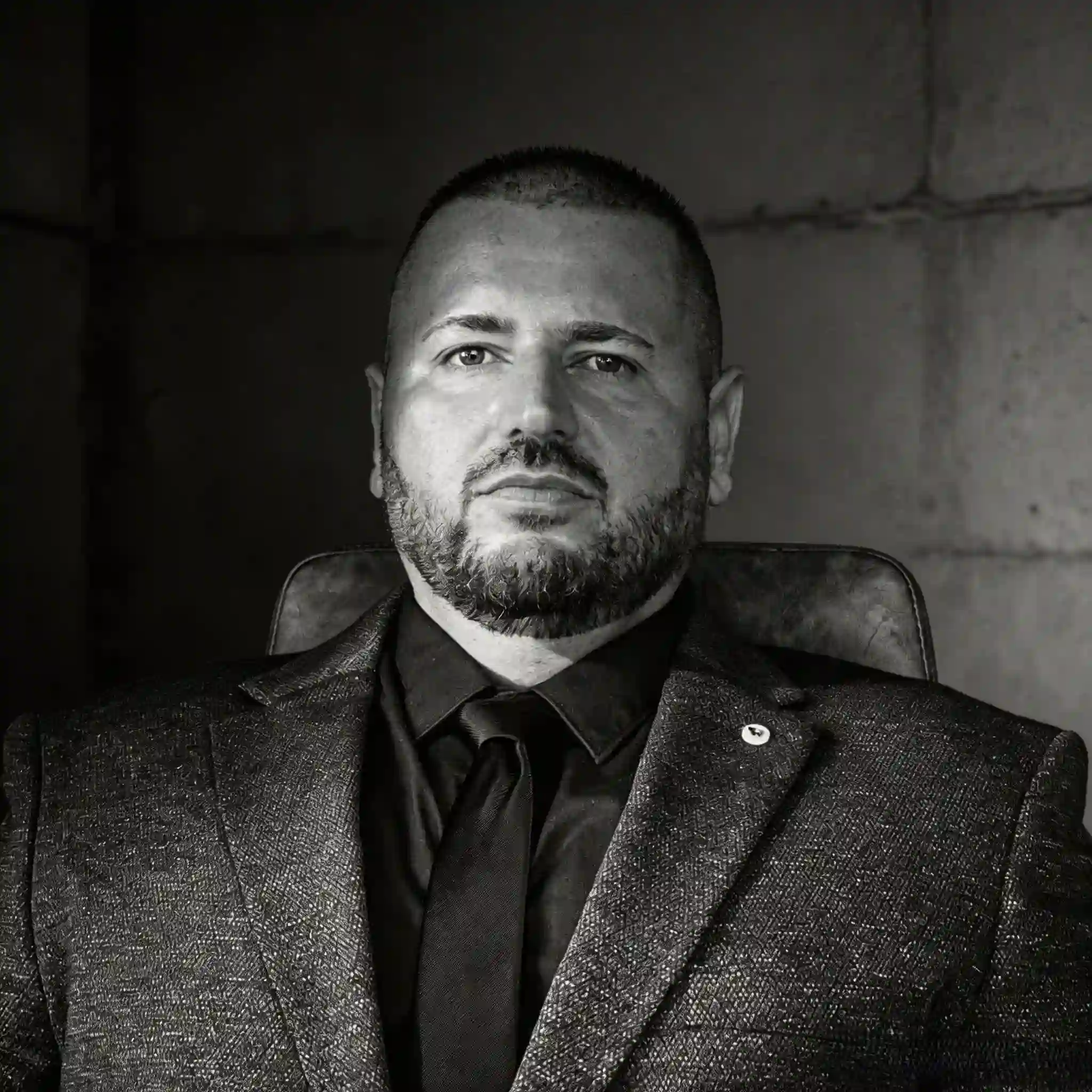
At events, what happens before and after matters as much as the event itself: securing the site before people arrive and after they leave, and moving the crowd safely. During the event, you have to keep watching the people in the crowd. For years I also served at mass events as a police liaison officer: in plain clothes and unarmed, I attended in person and connected the police commander with the event organizer. It is important to spot, in advance, the people in the crowd who threaten public safety, such as troublemakers or anyone who raises terrorism concerns, and to pay special attention to the vulnerable, especially children. That is why screening at the entrance, with bag checks and pat-downs, is one of the security team's key tasks at mass events: it is the only way to keep items that endanger public safety out of the crowd. When someone does cause trouble, the right communication can often prevent a physical intervention. Someone has to coordinate the whole operation, and everyone securing the event must stay in contact by radio and phone.
How many security officers an event needs
There is no universal ratio of officers to guests. Staffing depends on attendance, whether alcohol is served, the venue layout and exits, the type of crowd, the time of day, and what happened at past events. Plan for the entry peak and the exit rush, not just the average.
Separate from security officers, fire codes may require trained crowd managers. Under the International Fire Code, as adopted in many jurisdictions, gatherings of more than 500 people generally need at least two trained crowd managers and one for every 250 people, with exceptions such as outdoor events with fewer than 1,000 people. Local rules vary, so confirm the requirement with the fire code official.
The event security plan
Event Security Plan
- A site map with entrances, exits, restricted areas, and first aid points
- Expected attendance, peak times, and the alcohol plan
- Posts, roles, and one person in overall charge
- Entry screening rules and prohibited items
- Radio channels, phone numbers, and a call sign list
- Contacts with the police, emergency medical services, and the fire code official
- An evacuation plan and assembly points
- A procedure for lost children and vulnerable people
- An incident log for the whole event
- A briefing for every officer before the gates open
Before, during, and after the event
| Phase | Key tasks |
|---|---|
| Before the event | Walk and secure the site, check exits and lighting, brief all staff, test the radios, and confirm contacts |
| During the event | Screen entry, watch the crowd, keep exits clear, respond to incidents, and log everything |
| After the event | Manage the exit flow, clear and check the site, secure equipment, and complete the incident log |
Working with the police, medical staff, and the venue
Larger events often combine private security with off-duty police officers, emergency medical services, and the venue's own staff. Agree in advance who does what, who has authority in an emergency, and how everyone stays in contact. One person should coordinate the whole security operation, and everyone should share the same radio plan.
A clear record of the event
After an event, questions come fast: when was the incident reported, who responded, were the exits checked? A time-stamped record answers them.
The security companies we recommend use Digital Guard Tour, patrol-verification software published by Trinity Guard LLC. During patrols of the venue, the perimeter, and the parking areas, officers scan QR checkpoints on a smartphone and record incidents as they happen, so every round and every report has a time stamp. Every shift ends with a percentage score in the admin dashboard and in the emailed shift report.
What event security costs
Event security is usually priced per officer per shift or per hour, often with a minimum number of hours per officer. Short notice, holidays, alcohol service, and late finishes can raise the price. Our security guard cost guide explains how pricing works.
Confirm the provider and the terms
This website does not employ guards. Any agreement is between you and the company you select. Confirm qualifications, staffing, insurance, and terms directly; see our referral disclosure.
Event security questions
What do event security guards do?
They secure the site before guests arrive, screen entry, watch the crowd, protect restricted areas, manage parking, de-escalate conflicts, support evacuations, and secure the site after the event.
How many security guards do I need for an event?
There is no universal ratio. It depends on attendance, alcohol, the venue and its exits, the type of crowd, and past events. Fire codes may also require trained crowd managers, generally one for every 250 people at larger gatherings.
What is a crowd manager?
A crowd manager is a trained person responsible for keeping occupants safe, keeping exits clear, and helping with evacuations. Fire codes require crowd managers at larger gatherings; they are not necessarily security officers.
When should event security arrive?
Before the gates open, to walk and secure the site, check exits, test radios, and brief every officer, and they should stay until the site is cleared after the event.
Should I hire off-duty police officers for my event?
For larger or higher-risk events, many organizers combine private security with off-duty police officers, where local rules allow. Agree in advance who does what and who has authority in an emergency.
How much does event security cost?
It is usually priced per officer per shift or per hour, often with minimum hours. Short notice, holidays, alcohol service, and late finishes can raise the price. Use the cost calculator for an estimate.
Related pages
Ready for the next decision?
Tell us about your event, and we'll get back to you as soon as possible.